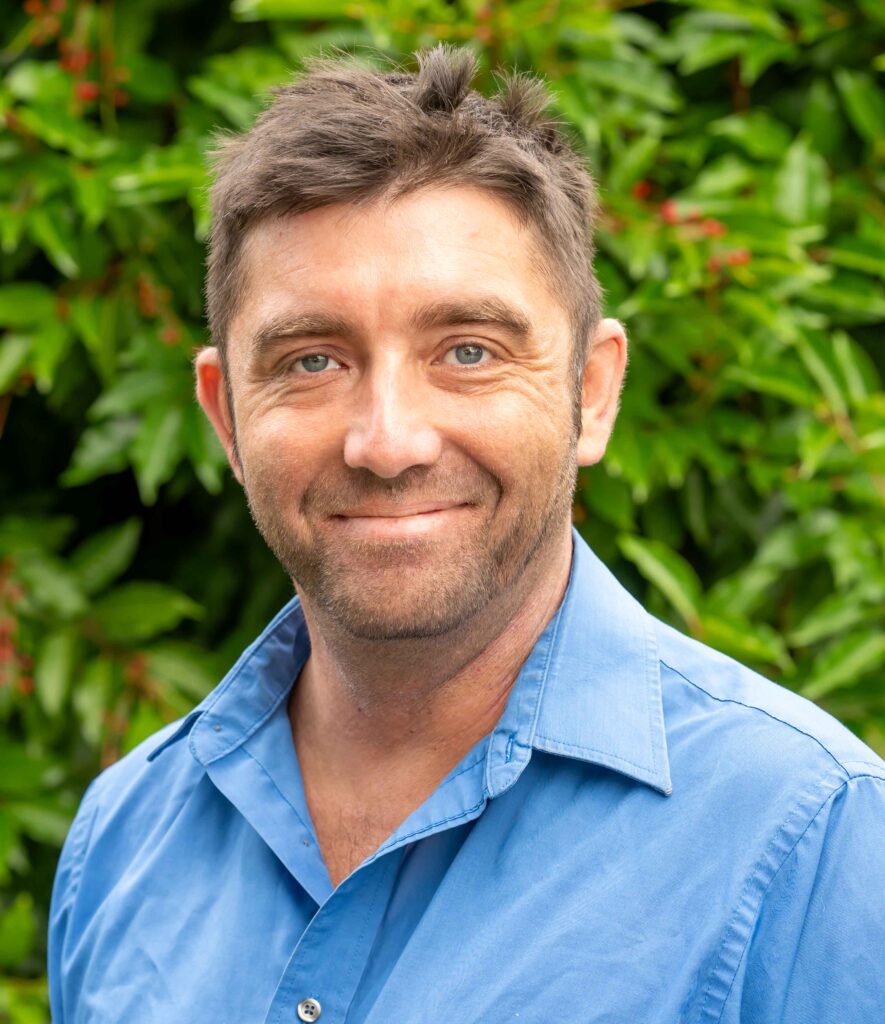
By: Jake Slade, Board Member
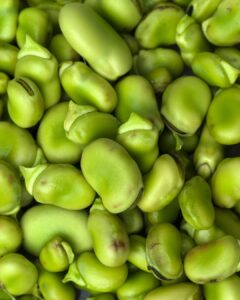
I had a complicated relationship with lima beans.
Not because I didn’t like them. I had never actually eaten them. I didn’t know how to cook them.
I remember walking through the aisles of a food bank, picking up as much Ramen and Kraft Mac & Cheese as I could, and quietly walking past the section with the beans. There were always several options. Occasionally, when I was feeling adventurous, I would grab a bag.
But never the lima beans.
For some reason, they intimidated me. At the time, I didn’t think much about it. I had never learned how to cook dried beans, and I certainly wasn’t going to stand in a food bank aisle and announce that I didn’t know what to do with them.
So I walked past them. I did this for years.
I’ve experienced food insecurity at several different points in my life. When I was in college, it sometimes felt almost like a side quest. College communities are relatively easy to enter, and potlucks abound. My first experience with a food bank was actually pretty magical. I showed up, and someone gave me a box of food. I was grateful.
Later in life, food insecurity felt very different.
I was a full-time working father. I was in a director-level position. From the outside, I probably didn’t look like someone who needed a food bank.
But I did.
And every time I saw those lima beans, I walked right past them. Sometimes I would even mutter under my breath, “One day, lima beans. One day I’ll learn how to cook you.”
Eventually, I told someone about my strange little battle with lima beans.
Their response surprised me. “I’ll teach you.”
Finally. My day of redemption had arrived.
And here’s the thing:
It wasn’t even that hard. I just had never been taught. More importantly, I had never felt like I had the support or safety to admit that I didn’t know how.
That experience changed the way I think about food insecurity.
We can give someone nutritious food, but what happens when they don’t know how to prepare it? What happens when they don’t have the confidence to ask? What happens when they’re embarrassed that they don’t know something they think everyone else knows?
Food insecurity isn’t just about whether there is food in the house.
Sometimes it’s about knowledge. Sometimes it’s about equipment. Sometimes it’s about transportation. Sometimes it’s about time. And sometimes, perhaps most importantly, it’s about shame.
Have you ever watched a cooking show, marveled at the amazing meal they just made, and realize you have NONE of the tools they used to make that meal?
One of the misconceptions about food banks is that there is a particular type of person who uses them. I know that because I used to have that misconception myself.
But financial stability can be fragile. A job loss, an unexpected bill, a rent increase, a medical expense, or simply the rising cost of everyday life can change someone’s situation remarkably quickly.
I know because I lived it. And I was embarrassed.
It took me years to ask for help because I felt like I should have been able to provide everything my family needed on my own. When I finally did ask, I discovered something I wish I had understood much earlier:
I wasn’t alone.
There were a lot of people asking for help. People with jobs. Parents. Seniors. People who had never imagined they would need a food bank.
People like me.
That’s part of why I’m so excited about the direction of the Edmonds Food Bank. We don’t just want to hand someone a bag of food and send them on their way. We want to help people live healthy lives. That means providing nutritious food. It means recognizing that people have different cultures, traditions, tastes, and needs. And it means creating a place where someone can say, “I don’t know how to do this,” without feeling ashamed.
That is one of the reasons our plans for a permanent home for the Edmonds Food Bank are so important to me.
We are growing because the need in our community is growing. We didn’t decide what the need should be. We’re simply responding to what we are seeing.
As we plan for a permanent home, we’re hoping to include a kitchen classroom. A place where people can learn how to prepare the food they’re receiving. A place where someone can ask, “What do I do with this?” and get an answer.
A place where learning something new doesn’t come with judgment. Because sometimes the barrier isn’t the food.
Sometimes the barrier is the safety someone needs to feel to share.
I think most of us have our own version of a lima bean. Something sitting right in front of us that we don’t know how to use. Something we don’t understand. Something we’re afraid to admit we don’t know.
And sometimes, all it takes is one person saying, “That’s okay. I’ll show you.”
Do you want to know a secret?
I love lima beans now.
As winter approaches, I’m already thinking about soups and stews and all the things I can make with them.
And every once in a while, I think about the person I used to be, quietly walking past those bags in the food bank aisle.
I wish I could go back and tell him something. You don’t have to know everything. You don’t have to be embarrassed. It’s okay to ask for help. And sometimes, someone will be there to teach you how to cook the lima beans.
So check in on your friends. Ask if they need anything. Ask twice if you have to.
Some of them may say yes.
They may just be afraid to ask.